Belgrade · working in IT professionally since 2008 · Antiokh

Hi, I’m

Anton
Nazarov.

I started in corporate document systems, eventually ran IT for a large public institution, and now spend much of my time building again. The work I enjoy most sits where people, process, and technology refuse to line up neatly.

Anton Vladislavovich Nazarov
AntiokhAntiokh · Belgrade
“My career was never a clean ladder of titles. It was a sequence of systems I was asked to understand — and then take more responsibility for.”

I joined Domodedovo Airport as a junior Lotus Notes developer in 2008. I liked code, but pretty quickly I became more interested in why a process worked the way it did, where it broke, and why people escaped the official system into spreadsheets, email, and private agreements.

Development gradually accumulated analysis, architecture, implementation, training, people management, and responsibility for IT as a whole. That is why I am equally comfortable in an executive discussion and inside a SQL console.

Not “developer to manager.” One layer of responsibility after another.

I did not stop being technical when I started managing. The scale simply changed: first a form and a workflow, then departments, budgets, security, hundreds of users, and decisions whose consequences cannot be undone with Ctrl+Z.

Today I use technology leader and systems architect because they are the shortest labels for work that sits between business, people, and engineering.

2008—2012
01
The first profession

Domodedovo → enterprise Lotus Notes

I started with development and support for internal systems people used every day. In my next team I introduced XPages, rewrote core workflow code for the web, and gradually moved beyond the boundary of “just implement the function.”

2013—2015
02
Process before form

Settlement and Savings Bank

I worked with department leaders to reconstruct the real document flow and built an internal system from scratch, including 1C integration. This was where I first saw automation make not only work faster, but responsibility visible.

2017—2023
03
Scale and institutions

Directorate of Cultural Centers of Moscow

I developed an industry platform used across a network of more than 100 institutions. Architecture here meant more than code: terminology, permissions, rules, reporting, training, support, servers, and agreements among people with different goals and different versions of the truth.

2020—2022
04
Full responsibility

ZIL Cultural Center · Head of IT

I ran the IT function of a large public organization: team, vendors, infrastructure, security, HelpDesk, assets, and operating rules. At the start of the pandemic I moved more than 100 employees to remote work while rebuilding the department’s operating discipline.

2022—now
05
A new environment

Belgrade · NeedleBit · products

Relocation reset the familiar context. I went back to small, fast products, a modern stack, and direct work with business owners. Over the next few years I built systems with Supabase, WeWeb, Xano, n8n, and AI tools — carrying enterprise habits around architecture, operations, and consequences into much faster delivery.

18years working professionally in IT
100+institutions connected through one industry platform
100+employees moved to remote work during the pandemic
~70,000historical reports migrated in one recent project

Moving to Belgrade made me build small things quickly again.

After years inside large organizations, I landed in a new country without the authority that came with an established role. I had to prove value with a working thing rather than a title.

That turned out to be useful. In Serbia I built products for visa runs and tours, a networking app, a home-food marketplace, internal client systems, and my own experiments. Some worked commercially, some did not. Failure became normal evidence too.

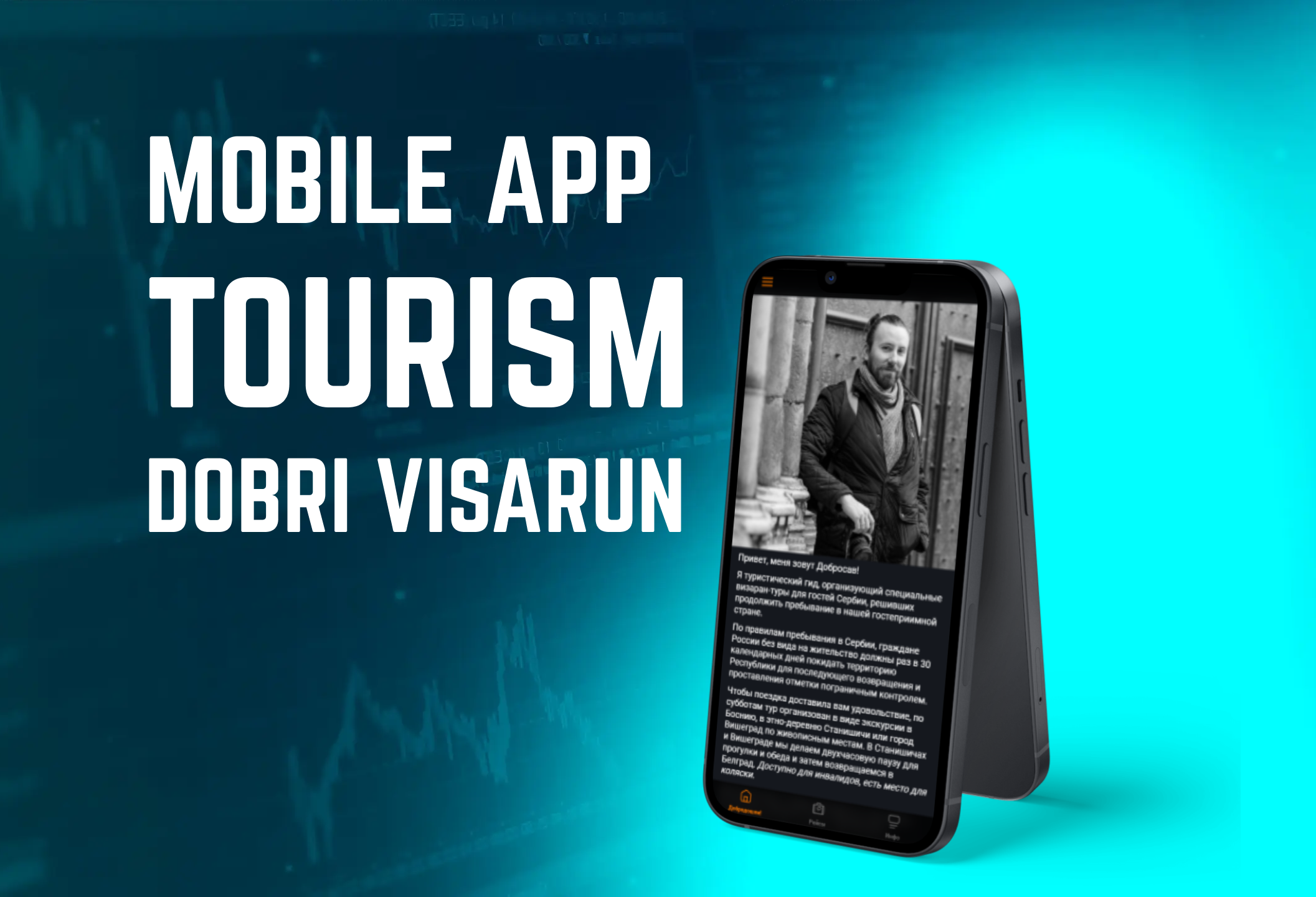
Dobri Visarun interface01

Dobri Visarun

The client’s requests lived across Facebook, email, and messengers. I put registration, trips, and notifications into one mobile PWA and removed much of the manual communication.

Roughly 10× revenue growth in about three months without advertising.
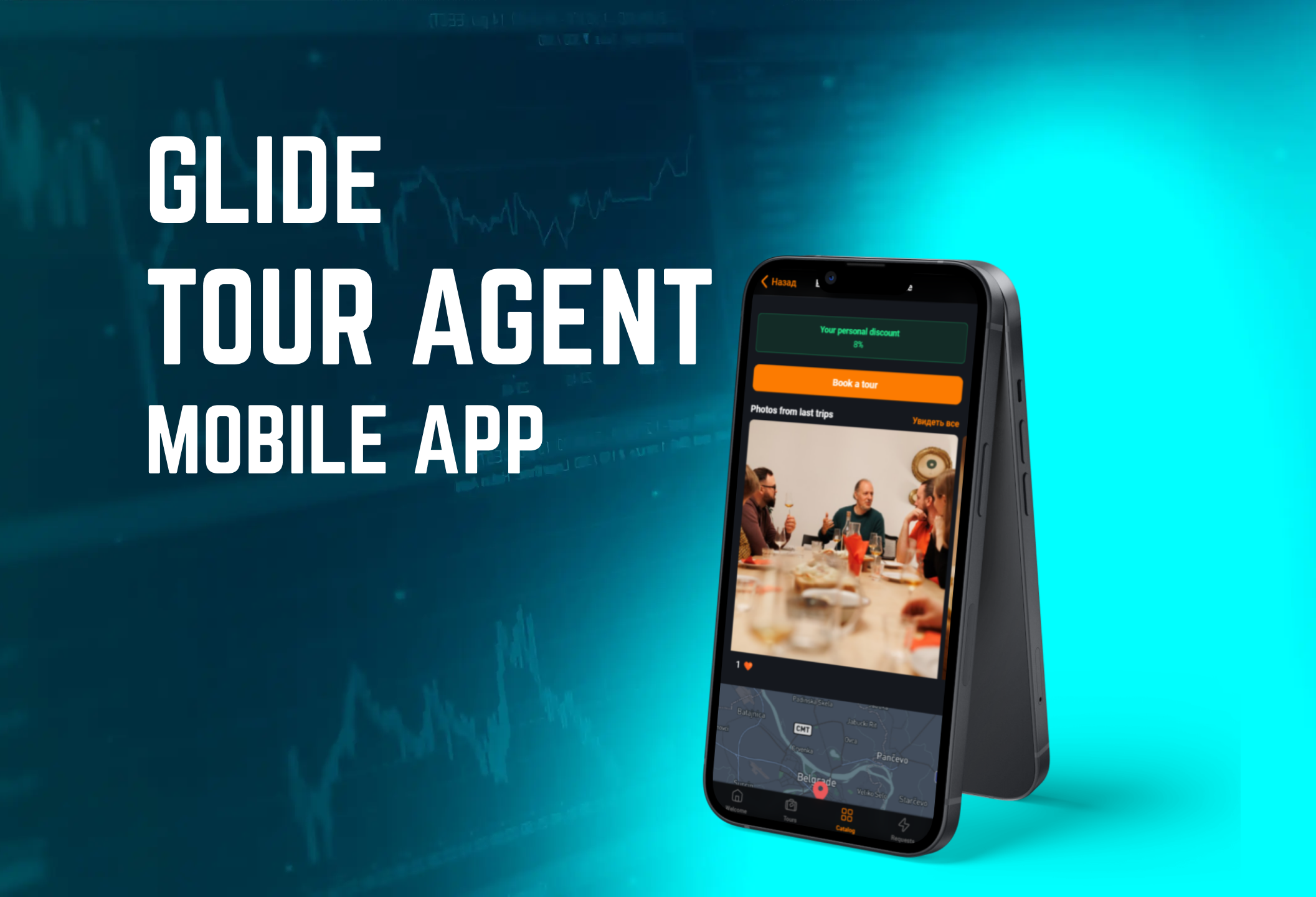
Dobri Tours interface02

Dobri Tours

A stream of messages and manual announcements became a trip catalog with booking, reviews, rewards, and repeat sales.

Clients started praising the booking flow and the operational routine dropped substantially.
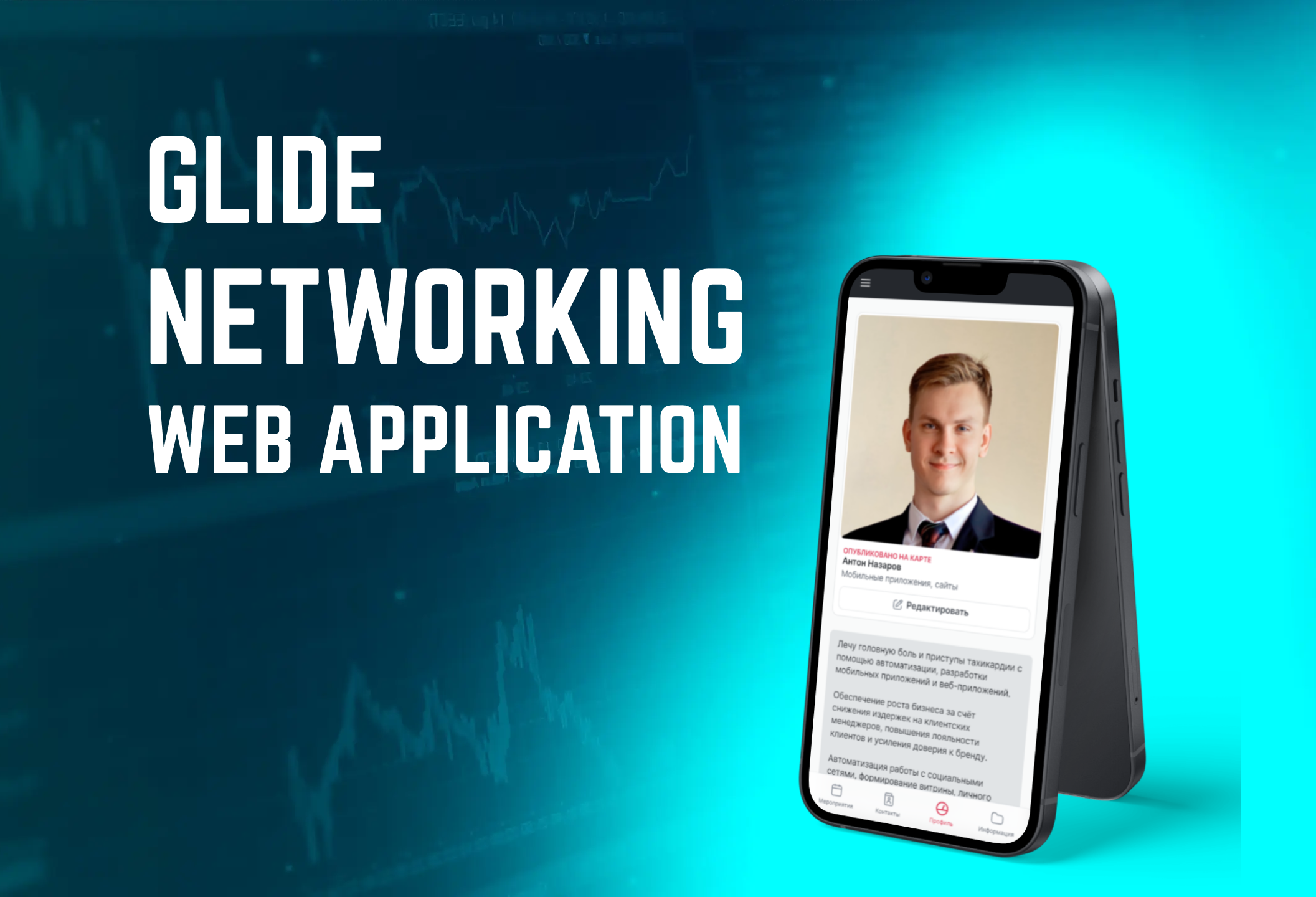
Serbia Networking interface03

Serbia Networking

You cannot meet everyone in a room. I built a small app that kept events and participant cards available after the event ended.

A working product grown directly out of an everyday problem.
RuskaJela interface04

RuskaJela

A geolocation marketplace for home-cooked food. The software worked, but there was not enough budget or market density to acquire sellers and buyers at the same time.

A useful failure: marketplaces do not start with code.

Four different scales
of the same approach.

I would rather show the situation than the stack: what was broken or undefined, what I personally owned, which decision had to be made, and what finally started working.

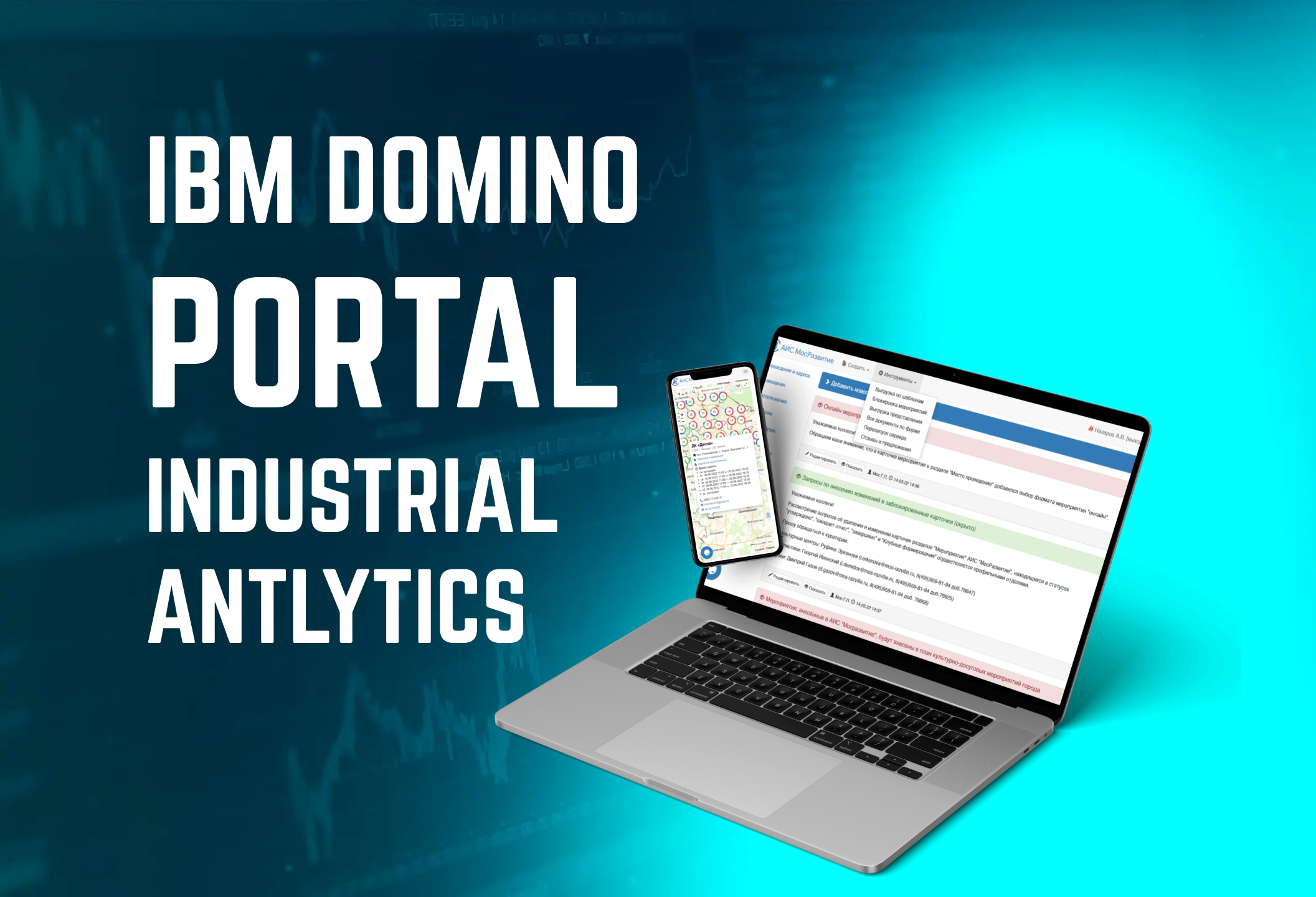
AIS MosRazvitie interface01

GovTech · network of 100+ institutions

AIS MosRazvitie

The hardest part was not negotiating with code. It was negotiating with reality.

The industry platform was already alive and carrying years of legacy. I worked through entities and terminology with departments, rebuilt data and access logic, developed reporting tools, trained users, handled operations, and gradually turned the system into a usable source of operational data.

My role: architecture · analysis · development · adoption · operations
Read the case →
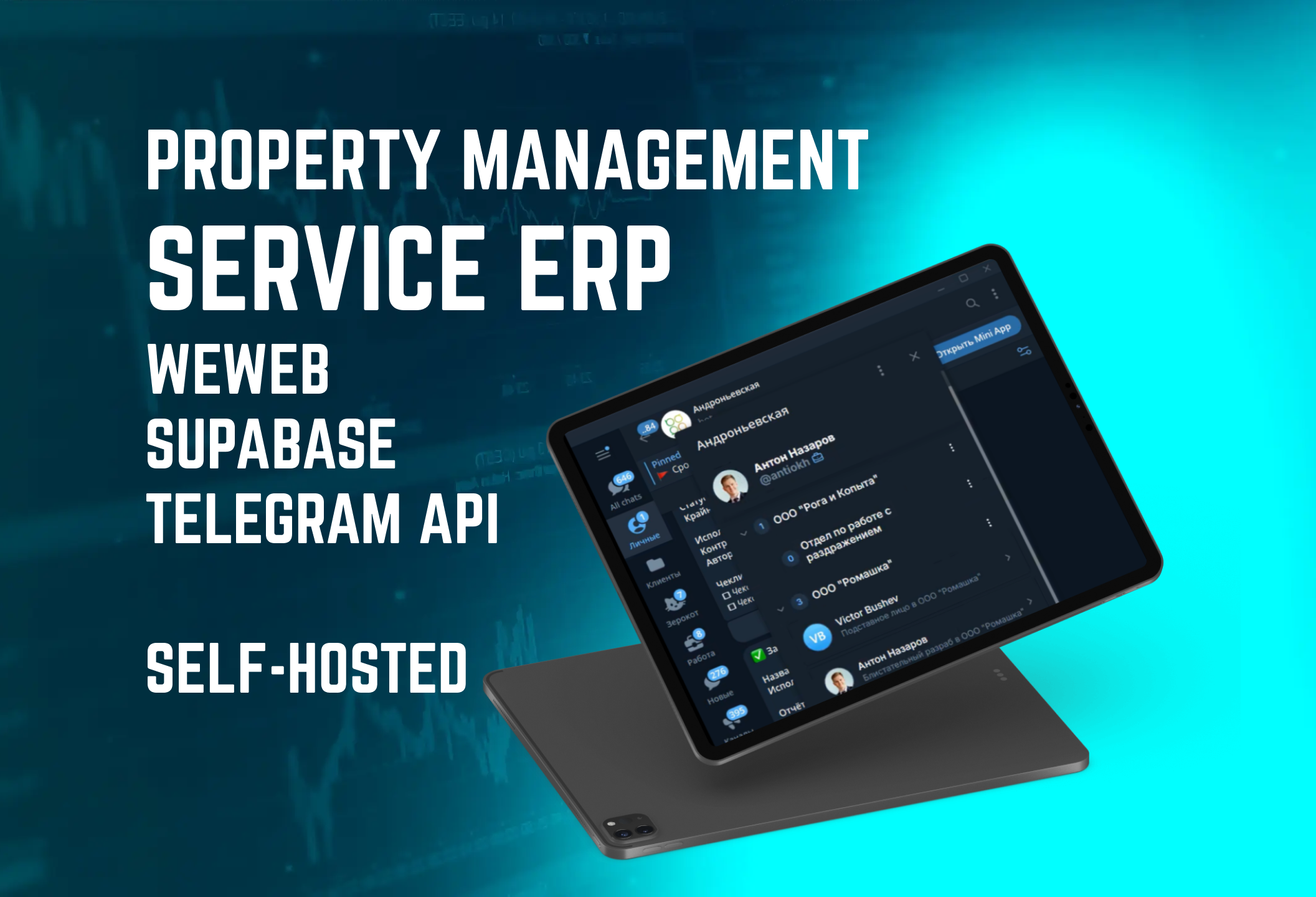
Andronyevskaya ERP interface02

Property operations · self-hosted

Andronyevskaya ERP

An internal system that starts with a QR code on a physical asset, not a dashboard.

A technician scans equipment on site, opens the asset and task, talks to a manager, and completes the work. Three role surfaces, Telegram Mini App, notifications, realtime, and self-hosted Supabase — all designed around the field process itself.

My role: developer · DevOps · project manager
Read the case →
Exit Lead interface03

Field operations · ~70,000 reports

Exit Lead

Field inspections, two interfaces, measurement devices, documents, and a very large migration.

Inspectors worked in Glide, clients used a WeWeb portal, and the data met in Supabase. I built the workflow from field visit to PDF report and separately migrated roughly 70,000 historical documents from Google Drive.

My role: builder · architect · designer
Read the case →
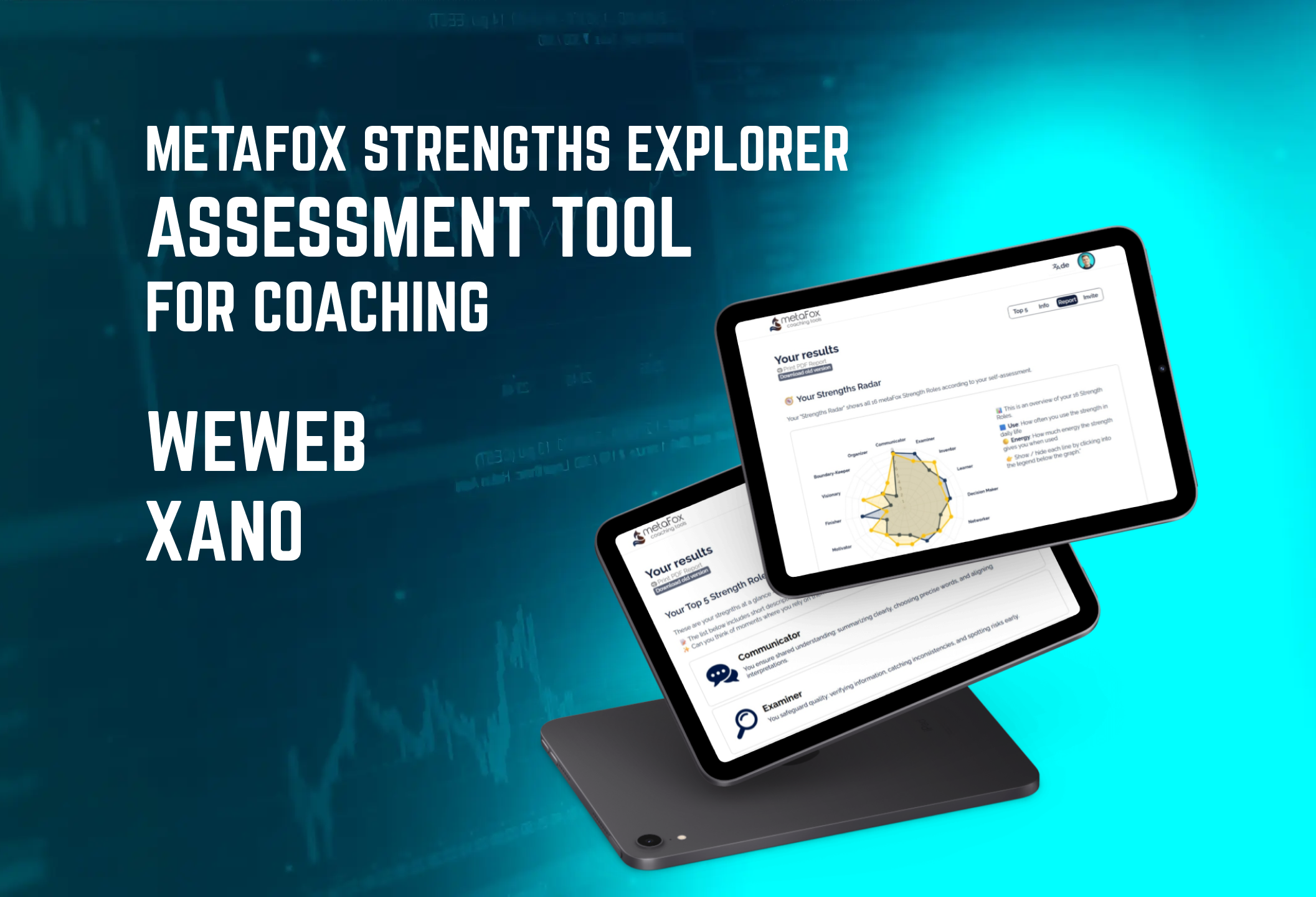
MetaFox Strengths Explorer interface04

Assessment product · scoring

MetaFox Strengths Explorer

The methodology changed while we were building it. The system had to move with it instead of collapsing.

Self-assessment, peer feedback, 64 questions, normalization, deterministic scoring, and PDF reports. I owned the product from model discussions and architecture through interface work, testing, release, and client communication.

My role: product owner · full-stack builder
Read the case →

The full portfolio also includes AI generation, assessment products, tourism, internal accounting, ERP, local services, and experiments. Not all of them were commercial wins; every one has a concrete context and a clear account of my role.

Open the full portfolio ↗

How the work looked
from the other side.

“I liked his approach to project management, proactive participation in shaping the technical specification, and attention to visual design.”

Anton Bukin · AIS MosRazvitie

“Anton owned our full tech stack from WeWeb frontend to structuring the backend on Xano and building APIs for score calculation. Next to the tech he contributed to shaping the product vision.”

Tobias Weghorn · MetaFox

“My time spent on client interactions was minimized, and my business grew significantly.”

Dobrosav J. · Dobri Visarun / Dobri Tours

NeedleBit is not the ending. It is my current workshop.

Independent practice gradually grew into a small team and a separate brand.

I keep doing what I have done throughout my career: understand the real process, design the system, build the solution, and stay responsible for what happens after the first release. The difference is a modern stack and, increasingly, AI as part of the engineering process. This site is about me, so I leave the commercial side to NeedleBit.

I do have a life outside screens.

Dance, music, and events have run alongside work for most of my adult life.

I dance hustle / discofox and sometimes teach; play guitar, keyboards, and accordion, and sing; and I have organized festivals, concerts, and city events ranging from small gatherings to projects with thousands of participants. I like photography and design, good cinema, travel, and long conversations about psychology, philosophy, and why people do what they do.

Hustle / DiscofoxMusicEventsPhotographyDesignPsychologyTravel

And yes: I have an exact namesake.

Mortimer, associated with the Russian project “Conscious Mercantilism,” is a different Anton Vladislavovich Nazarov.

I am Antiokh: I live in Belgrade, work in technology, and own the GitHub profile Antiokh. The links below point to my verified profiles.

My LinkedIn ↗

You can just write.
No seven-screen form required.

mail@antiokh.ru ↗LinkedIn ↗Telegram ↗